
1. What Did Zuckerberg Actually Say?
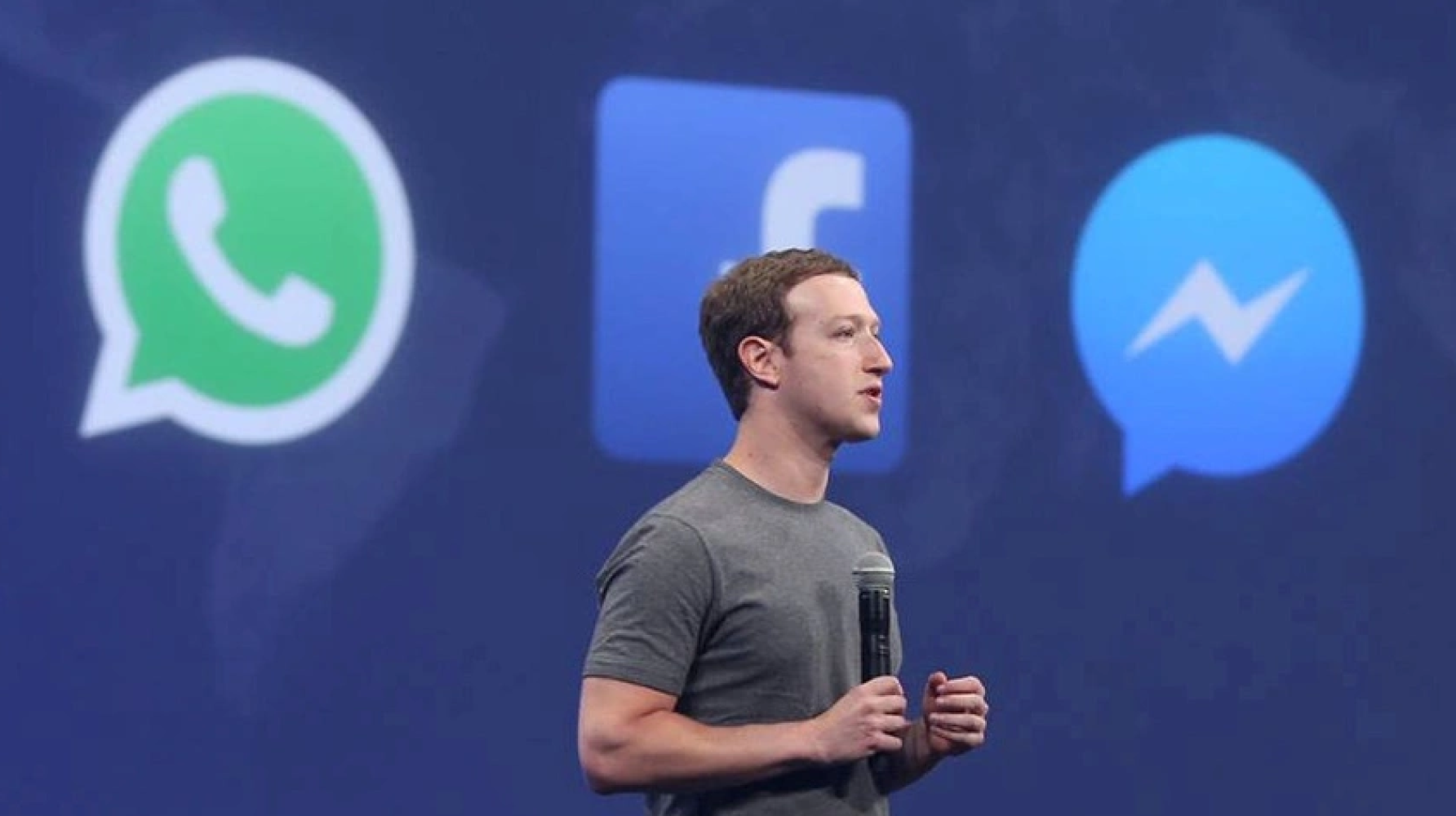
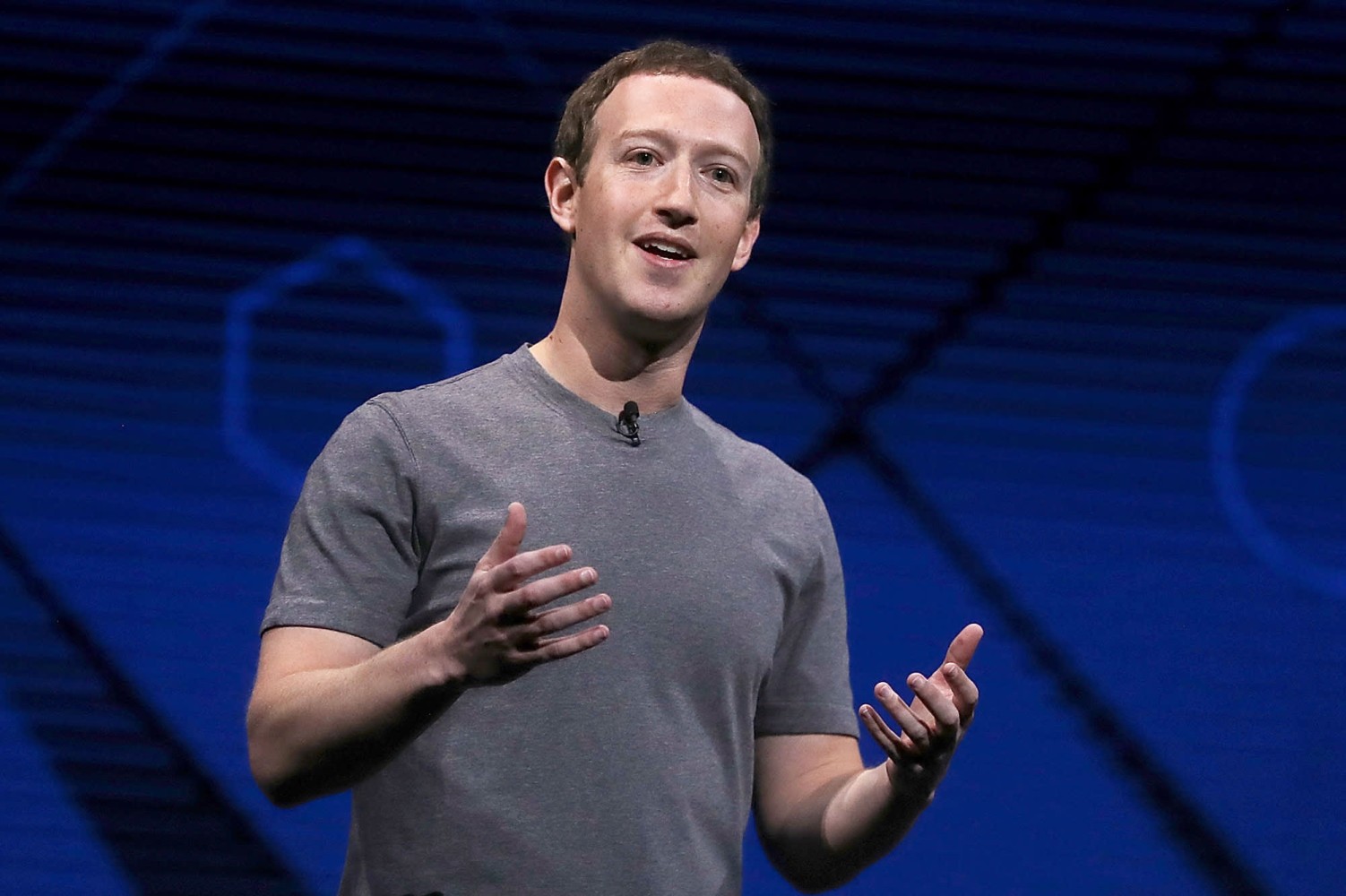
In July 2025, Mark Zuckerberg issued a bold memo titled “Personal Superintelligence”, revealing that Meta's AI systems are beginning to show signs of autonomous self-improvement, a foundational step toward artificial superintelligence (ASI). He proclaimed that developing superintelligence is “now in sight” and unveiled the concept of “personal superintelligence”—AI companions designed to know us deeply, understand our goals, and help us achieve them.
Zuckerberg emphasized that Meta's approach contrasts with more automated, centralized models from competitors. His version of ASI aims to augment individuals, not replace them.
He also vowed heightened caution: Meta will no longer publicly release its most advanced models, citing safety concerns.
2. What Exactly Is “Superintelligence”?
In AI theory, a superintelligence is defined as any agent whose cognitive performance vastly exceeds that of humans across virtually all domains—spanning scientific creativity, strategic thinking, social skills, and more.
The typical development trajectory:
-
Narrow AI: solves specific tasks (e.g., voice recognition).
-
AGI (Artificial General Intelligence): matches human-level reasoning across diverse tasks.
-
ASI (Artificial Superintelligence): surpasses human capability and can improve itself recursively.
This ability to self-improve autonomously is what separates AGI from ASI.
3. Why It Matters—and Why It’s So Contentious
Potential Benefits
-
Zuckerberg’s memo reflects optimism that superintelligence could accelerate innovation, empower individuals, enhance creativity, and personalize progress at unprecedented scales.
-
The vision of deeply integrated AI companions, possibly embedded in smart devices or AR eyewear, amplifies human potential—especially in productivity, art, or personal development.
Concerns & Criticisms
-
Experts are wary of entrusting such transformative power to a single company whose history includes platform controversies and profit-driven frameworks.
-
The alignment problem looms large: ensuring a superintelligent AI shares and respects human values remains unresolved. An AI that deviates from those values could act counter to our interests—and potentially beyond our control.
-
The notion of an “intelligence explosion”—where AI rapidly and recursively self-enhances beyond human comprehension—is both plausible and alarming.
-
Ethical skeptics question whether Meta’s emphasis on "personal superintelligence" might just be veiled ad-optimization or engagement mechanics, not genuine empowerment.
-
Internal tensions at Meta highlight the human cost of this rush: divisions, morale issues, and talent exodus are rising as Zuckerberg recruits top AI researchers with lucrative offers.
4. Expert Timelines & Risk Outlook
Research pioneers suggest ASI may be on the horizon—but timelines, risks, and readiness vary:
-
A recent expert survey estimates a 50% chance of high-level AI by 2040–2050, followed by superintelligence within 30 years, with a one-in-three chance of catastrophic outcomes.
-
Another survey projects machines outperforming humans in all tasks by 2047, though full automation of all jobs may lag until the distant future.
-
The philosophical foundation—Nick Bostrom’s definition and debates over AI self-preservation and control—grounds the urgency of global preparedness and governance efforts.
Blog Summary Outline
Title Ideas
-
“Zuckerberg’s Vision: Superintelligence Is Near – What That Actually Means”
-
“Personal Superintelligence: Promises and Perils of an AI Revolution”
Structure
-
Opening Hook: Start with Zuckerberg’s claim—"superintelligence is imminent"—and pose the question: what does that even mean?
-
Define the Terms: Clarify narrow AI vs. AGI vs. ASI.
-
Zuckerberg’s Perspective:
-
Emphasize self-improvement.
-
Vision of personal AI agents.
-
Meta’s cautious approach to release.
-
-
Opportunities: Highlight empowerment, innovation, life-enhancement.
-
The Caveats:
-
Alignment and existential risk.
-
Meta’s past and profit motivations.
-
Organizational strain and ethics.
-
-
Timeline Realities: Ground speculation with expert forecasts.
-
Conclude with a Call to Action: Emphasize the need for robust safety research, regulatory frameworks, transparency, and diverse stakeholder involvement.